Sustainability

Eco-Friendly Materials We Use

At Boro Bhaiya Corporation, we actively encourage the use of sustainable materials in our sourcing process. We work with mills and factories that offer organic cotton, recycled fibers, viscose, jute, palm-fiber and other eco-friendly fabrics. These choices help reduce environmental impact and give our clients a cleaner, more responsible path to apparel production.

Organic Cotton

JUTE

PALM-FIBER

Tencel/Lyocell

Wool

Bamboo

Sustainable Materials We Source

Sustainable Viscose

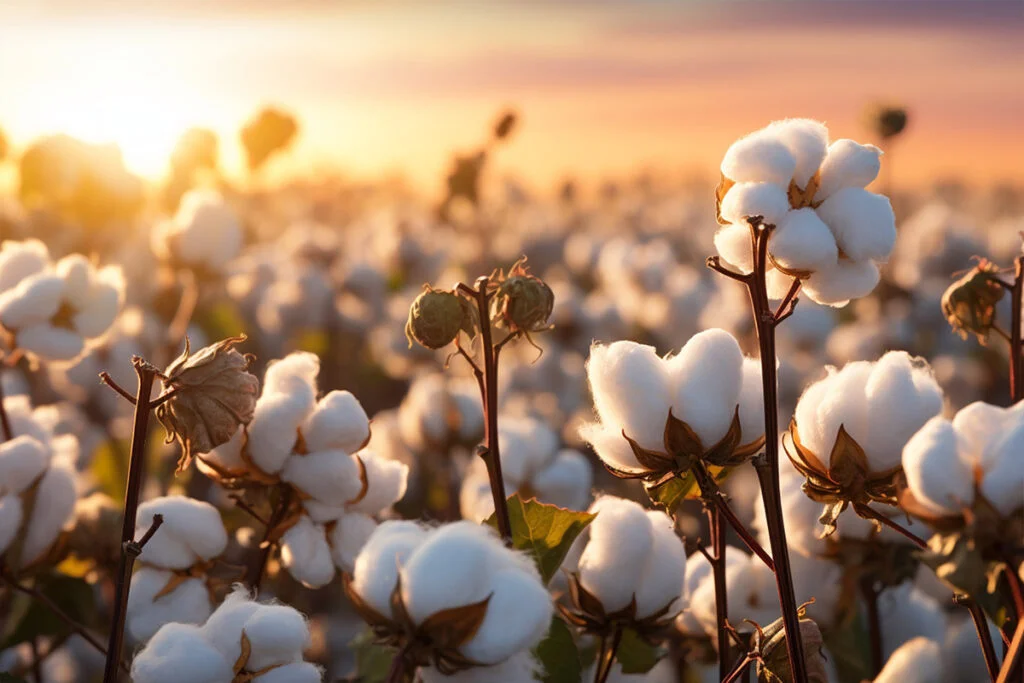
Organic cotton is grown without synthetic fertilizers, toxic pesticides, or GM seeds, helping protect soil health and natural ecosystems. Its cleaner farming practices support biodiversity and reduce water pollution. For brands, it offers a safer, more sustainable alternative to conventional cotton—benefiting workers,

Jute

Golden Fiber (Jute) of Bangladesh is a natural, eco-friendly fiber that plays a vital role in the country’s agriculture and economy. Known for its strength, biodegradability, and versatility, Bangladeshi jute is widely used to produce bags, ropes, carpets, and sustainable packaging materials. Bangladesh is one of the world’s leading producers and exporters of high-quality jute.

BCI Organic Cotton

Organic cotton and BCI (Better Cotton Initiative) cotton support more sustainable and responsible textile production. Organic cotton is grown without harmful chemicals or genetically modified seeds, helping protect soil health, biodiversity, and water quality. BCI cotton focuses on improving farming practices by reducing water and pesticide use, lowering emissions, and supporting better livelihoods and working conditions for farmers. Together, they offer environmentally friendly and ethically produced cotton options for a more sustainable supply chain.

Certified by BCI – Committed to a sustainable future with Boro Bhaiya Corporation.

Recycled Materials

Recycled yarn, made from plastic bottles, used garments, and textile scraps, helps reduce waste and conserve natural resources. It provides an eco-friendly option for apparel, accessories, and other textile products, supporting sustainable production practices and a circular economy.